
You finally decide to get mental health care. You look up a therapist, check your insurance plan, and feel ready. Then reality hits. Traffic, scheduling conflicts, long waitlists. Suddenly, getting help feels harder than it should be.
That’s where telehealth therapy in Bergen County changes the story. Secure telehealth counseling lets Bergen County clients meet with a therapist from a private space without losing the depth of care.
Instead of rearranging your entire day, you can connect with a licensed therapist or psychiatrist from home using secure video or audio. According to the Mayo Clinic, telehealth improves access to care and helps people stay consistent with treatment. The American Psychological Association also confirms that online therapy can be just as effective as in-person sessions for many mental health conditions.
But here’s what many people don’t realize: telehealth offers more than convenience. It can actually enhance your therapy experience. Attending virtual sessions from home often makes it easier to stay consistent, especially when work obligations, caregiving responsibilities, traffic, or anxiety make in-person appointments more difficult.
Let’s break down what that really looks like.
Key Takeaways
- Telehealth therapy makes getting mental health care easier with no commute and flexible scheduling.
- Online therapy works for many conditions like anxiety, depression, and PTSD.
- You can find the right therapist, including specialists, not just someone nearby.
- Being at home helps you open up more, which can improve results.
- Consistency is easier, leading to better progress over time.
- It saves time and reduces stress in your daily routine.
- Your privacy is protected with secure, HIPAA-compliant platforms.
- Psychiatry and medication management are available online.
- Getting started is simple with minimal setup needed.
What Is Telehealth Therapy? A Clear, Practical Definition
Telehealth therapy, also called teletherapy or online mental health care, means you meet with a licensed provider via secure technology rather than in an office. You still receive the same level of care. The format simply changes.
You might use:
- Video sessions on your phone or computer
- Audio calls if video is not comfortable
- Secure platforms to message your provider
How Telehealth Therapy Works Step by Step
The process is simple and actually feels pretty natural once you start.
- Initial consultation: You meet with your therapist or psychiatrist, discuss your symptoms, and set your goals. This may include diagnoses like anxiety, ADHD, depression, or insomnia.
- Ongoing therapy sessions – You attend regular sessions, often weekly. This can include talk therapy, behavioral health support, or medication management if needed.
- Follow-ups and treatment planning – Your provider adjusts your treatment plan based on your progress. If needed, a psychiatrist can prescribe medication and monitor results.
Types of Mental Health Services Offered Online
Telehealth is not limited to one type of care. You can get:
- Individual therapy
- Couples and relationship counseling
- Family and parenting support
- Therapy and psychiatry combined, including prescription management
- Specialized services like EMDR, LGBTQ2+ affirming care, and trauma treatment
This approach works for adults, teens, couples, and families. It also helps you find a therapist who is a good fit, not just the closest one.
Benefit #1: Access to Specialized Care You Might Not Find Locally

Finding the right therapist is not always easy. You might search through a long list of therapists and still not find someone who understands your needs.
Telehealth changes that.
You can connect with licensed therapists and psychiatrists who specialize in:
- Gender identity and LGBTQ2+ care
- Trauma and EMDR
- Neurodiversity and ADHD
- Relationship and family dynamics
Why Specialized Care Matters
Not every provider has the same training. If you’re dealing with something specific, like trauma or identity-related concerns, working with someone who specializes in that area leads to better results.
Telehealth lets you:
- Look beyond your immediate area
- Choose from a network of licensed providers
- Find someone who truly understands your experience
For many people, especially those from underrepresented communities, this access can finally make therapy feel safe and relevant.
Benefit #2: Greater Comfort Leads to More Honest Conversations
You talk differently when you feel safe. That’s just human.
Sitting in your own space, whether it’s your bedroom or living room, can lower anxiety. You don’t feel like you’re being watched or judged in a clinical setting.
What Changes in a Virtual Setting
- You open up faster
- You feel less pressure
- You stay more grounded during difficult conversations
This matters because therapy only works when you’re honest.
Telehealth can support online anxiety and depression therapy, as well as help with identity concerns and life transitions. For conditions like anxiety, trauma, or relationship conflict, the comfort of being in your own environment can make it easier to open up and engage more deeply in therapy. And honestly, that’s where real progress happens.
Benefit #3: Consistency of Care Even When Life Gets Busy

Life gets messy. Work runs late. Kids get sick. The weather turns bad.
With in-person therapy, these things can lead to missed sessions. With telehealth, you can still show up.
Why Consistency Matters in Mental Health Care
Regular therapy sessions help you:
- Build trust with your provider
- Track patterns and progress
- Stay accountable to your goals
Telehealth makes it easier to stick to your schedule, even during:
- Busy work weeks
- Parenting challenges
- Travel or relocation
And yes, consistency often leads to better long-term outcomes.
Benefit #4: Saves Time and Reduces Daily Stress
Time adds up fast. Driving to appointments, sitting in waiting rooms, rushing back to work.
Telehealth cuts all of that out.
You can attend therapy:
- During a lunch break
- Between meetings
- Without leaving your home
Quick Comparison: In-Person vs Telehealth
| Factor | In-Person Therapy | Telehealth Therapy |
| Travel time | 20–60+ minutes | None |
| Scheduling flexibility | Limited | High |
| Stress before session | Often higher | Lower |
| Access to specialists | Limited by location | Much wider |
Less stress going into therapy means you’re more focused during the session. That alone can make a big difference.
Benefit #5: More Privacy and Less Stigma
Some people hesitate to get mental health care because they don’t want others to know. That’s real.
Telehealth gives you privacy.
You don’t have to:
- Sit in a waiting room
- Run into someone you know
- Explain where you’re going
Is Telehealth Secure?
Yes, when done correctly.
Licensed providers use HIPAA-compliant platforms to protect your information. The APA outlines strict standards for privacy and security in telepsychology.
This makes telehealth a strong option if you’re dealing with:
- Substance use
- Relationship issues
- Trauma
- Identity-related concerns
You can focus on getting help without worrying about being seen.
Benefit #6: Better Support for Couples and Families
Coordinating schedules for multiple people can be a nightmare. Telehealth makes it easier.
Couples and family members can join sessions from different locations. No need to be in the same room.
What This Means for You
- Less scheduling conflict
- More consistent participation
- Inclusion of all key people in your life
This works especially well for:
- Busy couples
- Co-parenting families
- Long-distance relationships
And when everyone can show up, therapy tends to work better.
Benefit #7: More Accessible for Different Needs
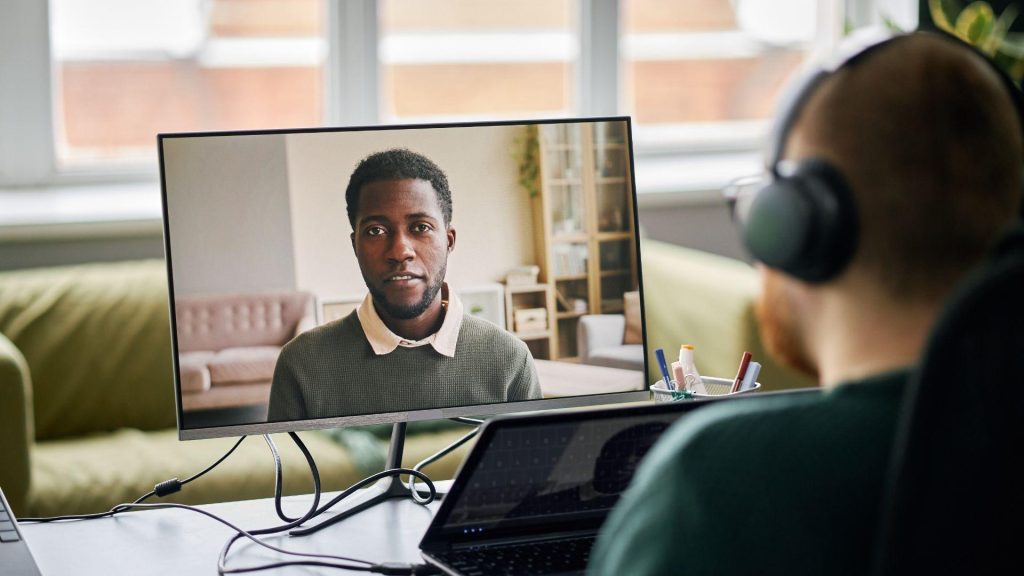
Not everyone can easily attend in-person sessions.
Telehealth improves accessibility for people with:
- Physical disabilities
- Chronic illness
- Neurodivergence
It also supports those who simply feel safer in their own environment.
Why Accessibility Matters
Mental healthcare should not be limited by logistics.
Telehealth helps you:
- Get care across different life situations
- Choose providers based on expertise, not distance
- Receive personalized care based on your needs
This makes it easier to actually get the help you need, instead of putting it off.
Benefit #8: Proven Results Backed by Research
You might be thinking, “Does this actually work?”
Yes. Research supports it.
The APA and Mayo Clinic both confirm that telehealth therapy produces similar outcomes to face-to-face therapy for many conditions, including:
- Depression
- Anxiety
- PTSD
What About Psychiatry and Medication?
Telehealth also supports:
- Medication management
- Diagnoses and treatment planning
- Ongoing monitoring by a psychiatrist
In many cases, a licensed medical provider can safely prescribe medication via telehealth, depending on your situation and local regulations.
Still, some conditions may require in-person care. A good provider will guide you based on your health needs.
Benefit #9: Encourages Real-Life Change
Therapy should not stay inside the session. It should carry into your daily life.
Telehealth helps with that.
You talk about your challenges while sitting in the same space where those challenges happen.
Why This Works
- You apply coping skills in real time
- You notice patterns more clearly
- You feel more in control of your progress
Over time, this builds confidence and independence. You’re not just talking about change. You’re living it.
When Telehealth Therapy Is the Right Fit
Not every situation is the same. Telehealth works well for many people, but not all.
Best Fit for Telehealth
- Mild to moderate mental health conditions
- Ongoing therapy and support
- Busy schedules or limited transportation
When In-Person May Be Better
- Severe psychiatric symptoms
- Crisis situations
- Need for close medical supervision
Sometimes a mix of virtual care and in-person visits works best. A licensed provider will help you decide.
Why Choose Equality Mental Health for Online Therapy in Bergen County
Finding the right provider matters.
Our licensed New Jersey therapists provide affirming online therapy services in Bergen County, offering compassionate, inclusive care tailored to your unique needs.
Equality Mental Health offers:
- Licensed therapists and psychiatrists
- Expertise in trauma, anxiety, and relationship issues
- LGBTQ2+ affirming care
- EMDR and specialized treatment options
You get care that is:
- Inclusive
- Personalized
- Focused on real-life change
They also help you navigate insurance plans, check coverage, and understand payment options so you can get care without unnecessary stress.
Getting Started with Telehealth Therapy
Starting is easier than you might think.
Simple Steps
- Schedule a consultation
- Check your insurance coverage or payment options
- Set up your device for video or audio sessions
Tips for Your First Session
- Find a quiet, private space
- Test your internet connection
- Be honest about what you’re experiencing
Your first few sessions focus on understanding your needs and building a treatment plan that fits your life.
FAQs About Telehealth Therapy in Bergen County
1. Is telehealth therapy as effective as in-person therapy?
Yes. Telehealth therapy can be as effective as in-person therapy for many people, including those seeking support for anxiety, depression, stress, and life transitions. For Bergen County residents, online therapy can make it easier to receive consistent care without commuting to an office.
2. Can I get medication management through telehealth?
In some cases, licensed psychiatric providers can prescribe medication through telehealth, depending on the provider, your needs, and applicable regulations. If you are looking for therapy, medication management, or both, ask Equality Mental Health what services are available and whether a referral is appropriate.
3. Is telehealth therapy covered by insurance in New Jersey?
Many New Jersey insurance plans cover telehealth therapy, but coverage depends on your specific plan. Before starting, check your benefits, copay, deductible, and whether your therapist is in network. You can also contact Equality Mental Health for guidance on fees and next steps.
4. What do I need for online therapy sessions?
You need a stable internet connection, a private space, and a phone, tablet, or computer with audio and video access. For the best experience, choose a quiet location where you feel comfortable speaking openly during your telehealth therapy session.
5. How do I find the right therapist for my needs?
Start by looking for a licensed therapist who has experience with your concerns, such as anxiety, depression, trauma, relationships, or identity-related stress. Equality Mental Health can help Bergen County clients explore whether a therapist on the team is a good fit for online therapy.
6. Is online therapy private and secure?
Yes. Online therapy should take place through a secure, confidential telehealth platform and from a private location of your choice. Before your first session, your therapist can explain how telehealth sessions work and how your privacy is protected.
Final Words – A Smarter Way to Get Mental Health Care
Getting help should not feel complicated.
Telehealth therapy in Bergen County gives you access to high-quality mental health services without the usual barriers. You save time, protect your privacy, and stay consistent with care.
More importantly, you get support that fits your life.
If you’ve been thinking about therapy, this might be the easiest way to start. You don’t need perfect timing. You just need to take the first step. Schedule a Telehealth Therapy consultation with Equality Mental Health today.

H. Craig Cutler, LCSW, NCPsyA is the founder and president of Equality Mental Health, LLC, and a licensed clinical social worker and certified psychoanalyst with over 20 years of experience in private practice. He provides psychotherapy, clinical supervision, and psychoanalytic training, and has held leadership roles at major mental health institutions throughout New Jersey.