We offer In-Person & Telehealth Psychotherapy Services
Call today to schedule your appointment! 201-885-3522. We are here for you.

Sexual Addiction Therapy for Teachers and Government Employees
When sexual behavior starts feeling out of control, it can be confusing, isolating, and loaded with shame.
You may tell yourself it’s “not that serious,” then find it happening again – compulsively, secretly, or in ways that don’t align with your values.
We help you understand what’s driving the behavior, break the cycle, and regain control without shame or judgment.

When Reputation Is on the Line,
You Need a Safe Place to Get Honest
For many teachers, school staff, and state or government employees in Bergen County, the stakes feel even higher. You’re in a public-facing role. Reputation matters. Privacy matters. You may be terrified that anyone will find out, even as the behavior continues to create stress at home, distraction at work, or damage in your relationships.
Sexual addiction doesn’t get better through willpower or promises. With the right support, it can change.
At Equality Mental Health, we provide sexual addiction therapy in River Edge and Bergen County, NJ for professionals who carry responsibility every day – and need a private space to get honest, reduce shame, and regain control.
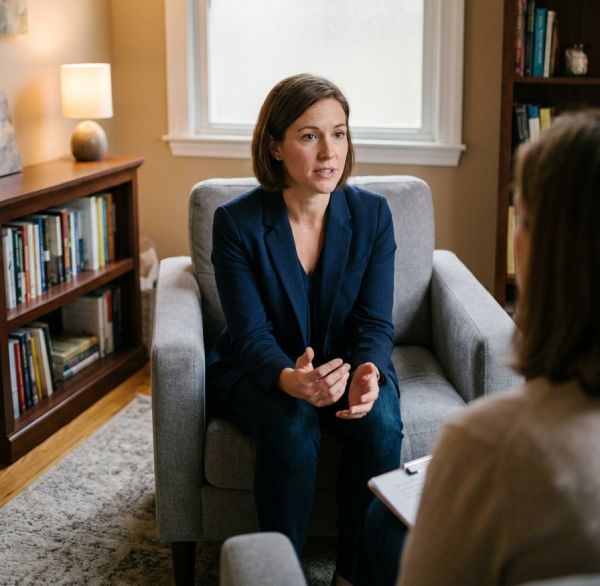
Therapy That Respects Privacy And Public-Facing Careers In Bergen County, NJ
If you work in education or government, confidentiality matters. So does discretion. Therapy is a private, professional setting where you can speak openly without fear of being judged, labeled, or exposed.
We offer in-person sessions in River Edge and secure telehealth across New Jersey, so you can choose what fits your schedule. Many clients prefer appointments that work around the school day, shift schedules, long commutes, and family responsibilities.
Our practice is inclusive and affirming. Identity, culture, sexuality, gender, and relationship structure are welcomed parts of the conversation – never topics you have to explain or defend.
When Promises to Yourself Keep Falling Apart
Compulsive sexual behavior often isn’t about desire.
It’s often about coping – using a behavior to manage stress, loneliness, anxiety, numbness, shame, or emotional pain.
Signs it may be time to get support include:
- Repeated attempts to stop that don’t stick
- Feeling preoccupied, distracted, or restless when trying to resist
- Hiding behavior, lying, or deleting history to avoid conflict
- Using the behavior to escape stress, sadness, or overwhelm
- Escalation over time to get the same relief
- Relationship strain, loss of trust, or fear of being found out
- Feeling remorse, shame, or self-disgust afterward
- Risky choices that conflict with your values or responsibilities
Many people live in a cycle: stress builds → behavior happens → shame follows → more stress builds. Therapy helps you break the loop.

What Our Sexual Addiction Therapy Focuses On
This is not about judgment. It’s about understanding what drives the behavior, strengthening your ability to choose, and rebuilding trust – with yourself and others.
In sexual addiction therapy, we focus on:
- Identifying triggers, urges, and the emotional “setup” before acting
- Building coping skills that work in real time
- Strengthening boundaries with devices, time, and high-risk situations
- Addressing shame and self-criticism that keep the cycle going
- Exploring underlying issues like anxiety, depression, trauma, or loneliness
- Creating a relapse prevention plan that is realistic and clear
If you’re in a relationship, couples work may be helpful as part of the process – especially around transparency, safety, and rebuilding connection without constant conflict.

Support For Educators And Public Employees Under Chronic Stress
Teachers and government employees often run on high alert: constant demands, emotional labor, limited recovery time, and pressure to appear composed.
When stress becomes chronic, the brain looks for fast relief. Compulsive patterns can become a way to numb out, reset, or feel something different.
Therapy helps you build stress recovery that doesn’t create more problems. It also helps you protect your work focus, your mental health, and your home life.
We serve River Edge and nearby Bergen County communities, including Ridgewood, Wyckoff, Tenafly, Glen Rock, Hillsdale, Cresskill, Park Ridge, Closter, Upper Saddle River, Allendale, Ho-Ho-Kus, Saddle River, and Alpine.
Your 4-Step Path to Regaining Control
1. Consult
Start with a confidential first appointment where we understand what’s been happening, what you’ve tried, and what you want to change.
2. Customize
We build a plan based on your triggers, stressors, values, and goals – without shame and without a one-size-fits-all approach.
3. Treat
Sessions blend insight with practical tools: urge management, boundary work, emotional regulation, and strategies for high-risk moments.
4. Steady progress
As control improves, we focus on maintenance: relapse prevention, healthier coping, and repairing trust where it’s been damaged.
Book Your Consultation Today
Don’t let this keep repeating in private, book your consultation today and take the first step toward real control and clarity.
Frequently Asked Questions
Yes. Therapy is confidential and protected by privacy laws. Your employer is not notified that you’re in therapy. We do not share information without your written consent, except in rare situations required by law related to safety. If you’re worried about privacy because of your role, we can discuss boundaries and documentation concerns at the start.
A higher sex drive isn’t the same as compulsive behavior. Sexual addiction therapy is usually relevant when behavior feels out of control, causes distress, harms relationships, interferes with work or daily life, or continues despite negative consequences. We focus on your patterns, your values, and your level of control – without shaming you for wanting intimacy or pleasure.
No. The work is respectful, professional, and grounded. We focus on what’s happening, why it’s happening, and how to change it. You’ll be met with compassion and accountability, not blame. Many people feel relief just having a private space to be honest for the first time and start building a plan that actually helps.
Yes. Compulsive sexual behavior often impacts trust. Therapy can support individual change while also helping couples rebuild safety and stability. When appropriate, we work on transparency agreements, boundaries, and communication that reduces interrogation/defensiveness cycles. Repair takes time, but a structured approach can help both partners feel less stuck and more clear.
Timelines vary. Some clients see early improvement as they learn trigger awareness and urge management tools. Deeper change can take longer, especially if stress, anxiety, depression, or trauma are part of the pattern. Relapse doesn’t mean failure – it means we strengthen the plan: refine boundaries, improve coping skills, and address the emotional drivers with more precision.