

Equality Mental Health Clinic

Specialized Therapy for Life, Relationships & Everything in Between

Compassionate, affirming therapy for anxiety, relationships, identity, trauma, and major life changes in Bergen County and throughout New Jersey.

In person in Bergen County. Telehealth throughout New Jersey. Evening availability.

A couple leaving the Equality Mental Health office in Bergen County, NJ after a session
Years of specialized clinical practice
0 +
Areas of advanced training
0
Confidential, judgment-free sessions
0 %
Ways to meet: office, video, phone
0

A marriage can continue without feeling connected. Dating can become exhausting rather than hopeful. An adult child may feel unable to move forward, while parents struggle to know when helping has become enabling.

Some concerns do not fit neatly into a diagnosis. They may involve loneliness within a relationship, broken trust after infidelity, family estrangement, questions about identity, or uncertainty about what needs to change.

Equality Mental Health provides specialized therapy in Bergen County, NJ, for adults, couples, children, adolescents, families, and multi-partner relationships. Our therapists help clients address complex emotional, relational, behavioral, and identity-related concerns with compassion, honesty, and respect.

We welcome people of all races, cultures, ethnicities, religions, abilities, sexual orientations, relationship structures, and gender identities.

A Place Where You Can Speak Openly

Some experiences are difficult to describe, even to the people closest to you. You may love your spouse but no longer feel emotionally connected. You may want a relationship but feel discouraged, resentful, or exhausted by dating. You may be trying to rebuild trust after an affair, manage ongoing family conflict, or understand why the same painful patterns keep repeating.

At Equality Mental Health, therapy is collaborative and centered on your needs. Your therapist will help you examine the experiences, beliefs, emotional responses, and relationship patterns that may be contributing to distress.

Sessions may focus on repairing communication, processing betrayal, understanding attachment patterns, setting healthier boundaries, working through grief or trauma, or making difficult decisions with greater clarity.

Our role is not to tell you who to be or what decision to make. It is to help you understand yourself, your relationships, and your choices more clearly.

A client speaking openly with her therapist in a warmly lit private office
Therapist listening attentively to a client during a specialized therapy session
What we treat

Specialized Mental Health Therapy Services in Bergen County, NJ

Emotional concerns rarely exist on their own. Anxiety may be connected to conflict at home. Depression may develop alongside loneliness or disconnection. Trauma can affect trust, intimacy, parenting, and communication.

Our therapists consider the full context of your life rather than treating every concern as an isolated symptom.

Therapist meeting with a client in a calm, private office at Equality Mental Health
Why choose us

Why Choose Equality Mental Health Clinic?

Choosing a therapist is personal. You need more than professional credentials. You need someone who can understand the specific situation bringing you to therapy.

Experience With “Empty” Marriages and Relationship Disconnection

Some couples are not in constant conflict. Instead, the relationship feels quiet, distant, or emotionally empty.

We work with individuals and couples who feel disconnected from their partner, unsure whether intimacy can be rebuilt, or uncertain about what they want from the relationship moving forward.

Support After Infidelity

Infidelity can create grief, anger, shame, confusion, and uncertainty for both partners.

We help couples work through what happened, address trust and accountability, improve communication, and decide whether they want to repair the relationship or move in a different direction.

Therapy for Loneliness, Dating Fatigue, and Dating Disgust

Loneliness does not only affect people who are single. It can also exist within marriages, friendships, families, and social groups.

We also work with people who feel exhausted, discouraged, or disgusted with dating after repeated rejection, unhealthy relationships, or pressure to find a partner.

Help With Failure to Launch

Some adults have difficulty moving toward independence, employment, education, financial responsibility, or other adult roles.

We work with adults and families to understand what is getting in the way, how family dynamics may be affecting the situation, and what changes could support greater independence and responsibility.

Support for Parental Alienation and Family Estrangement Concerns

Separation, divorce, and family conflict can lead to serious breakdowns between parents and children, including estrangement, loyalty conflicts, or refusal of contact.

We look carefully at the full family situation rather than assuming one explanation. Therapy may address communication, parenting conflict, damaged relationships, emotional safety, and the needs of the child.

Inclusive and Affirming Care

We work with clients across sexual orientations, gender identities, cultures, abilities, family structures, and relationship types.

We understand that identity, intimacy, family expectations, cultural pressures, and emotional health often overlap. Clients should be able to talk openly about those parts of their lives without having to explain or defend who they are.

Active and Collaborative Therapy

Sessions go beyond passive listening. Your therapist may help you identify avoidance, examine recurring patterns, understand emotional responses, practice clearer communication, and make choices that reflect your values.

Flexible Appointment Options

In-person therapy is available in River Edge, NJ. Telehealth appointments may also be available for eligible clients throughout New Jersey.

EMDR Therapy for Experiences That Still Have a Hold on You

Some experiences do not soften with time. They may surface unexpectedly, shape emotional reactions, affect relationships, or leave the body feeling unsafe even when the immediate danger has passed.

EMDR, or Eye Movement Desensitization and Reprocessing, is a structured therapy designed to help people process traumatic or distressing experiences so those memories feel less immediate and disruptive.

EMDR may be used for experiences involving trauma, loss, betrayal, fear, medical events, relationship injuries, or other situations that continue to trigger distress.

It may also help with pressures that are not considered clinical trauma, such as a high-stakes presentation, a major life transition, becoming a parent, or an experience that created a lasting emotional response. Your therapist will assess whether EMDR is appropriate for your concerns, history, and treatment goals.

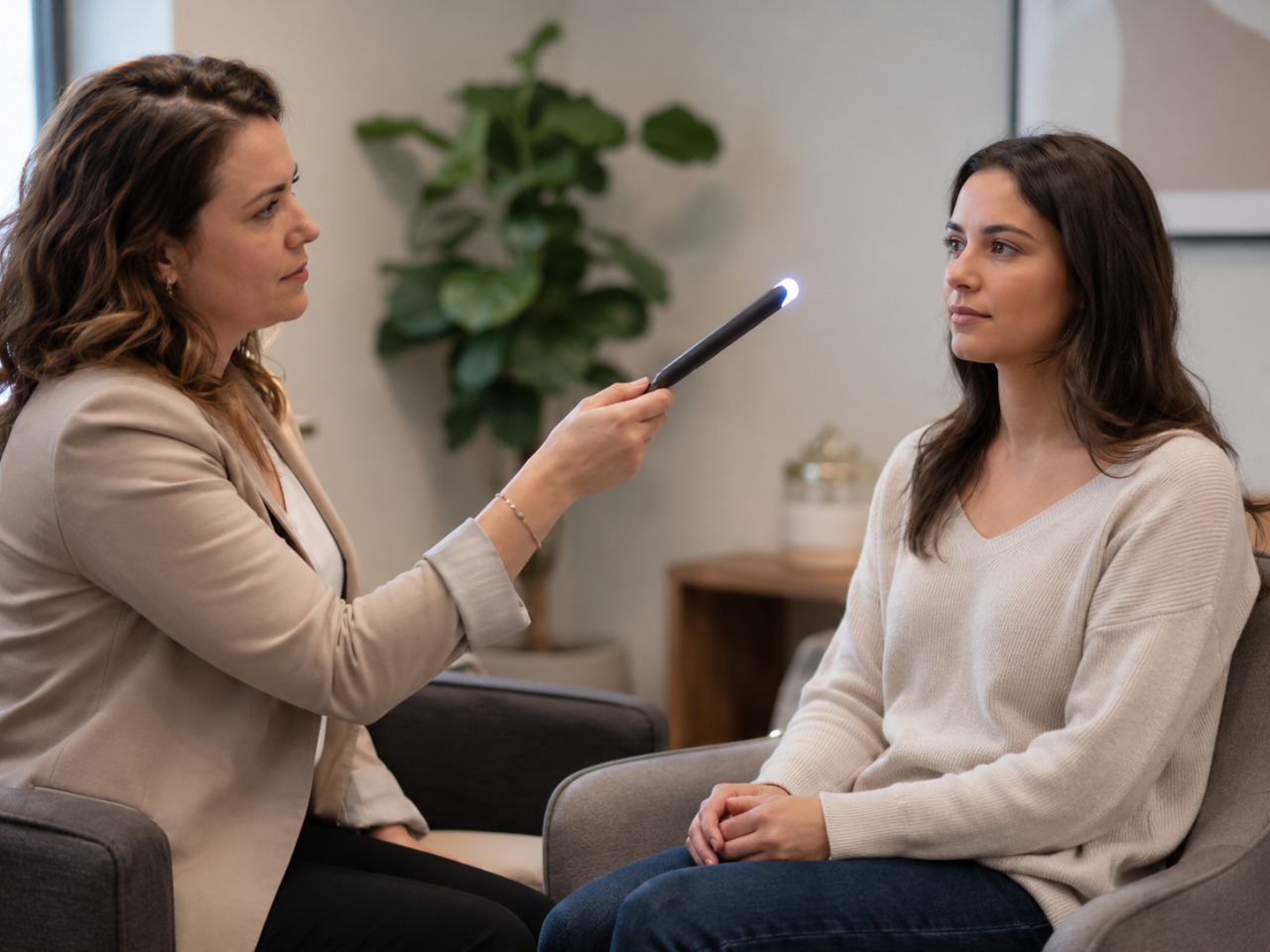
Therapist guiding a client through bilateral stimulation during an EMDR session
Client in conversation with a therapist while working toward personal goals
Goals and progress

What Therapy May Help You Work Toward

Therapy is not about becoming a different person. It is about understanding what is happening beneath the surface and responding with greater awareness.

Your work in therapy may help you:

Progress looks different for every person. Your therapist will work with you to define goals that feel relevant to your life.

Getting started

What to Expect

Therapist meeting with a new client and their family at the River Edge, NJ office
01

Request a Consultation

Contact our practice by phone or through the website. You only need to share what feels comfortable at this stage.

02

Discuss Your Needs

We will learn about your concerns, preferences, and scheduling needs so we can help identify an appropriate therapist.

03

Meet Your Therapist

Your first session is an opportunity to discuss what brought you to therapy, ask questions, and consider whether the therapist feels like a good fit.

04

Create a Treatment Plan

Your therapist will work with you to develop a plan based on your goals, experiences, and current needs.

See What People Think About Us

Begin With a Conversation

You do not need to have everything figured out before starting therapy.

You may be dealing with a relationship that feels emotionally empty, trust that has been damaged, exhaustion with dating, ongoing family conflict, or a stage of life that feels difficult to move through.

Equality Mental Health offers a respectful place to discuss what is happening without judgment or pressure.

Our therapists can help you understand what has been holding you back, examine the patterns affecting your emotional health and relationships, and consider a healthier way forward.

A couple leaving the Equality Mental Health office after a session
Insurance and fees

We work with medical providers in conducting evaluations and write letters of support for those who need access to gender-affirming medical care. We are a weight inclusive + Health At Every Size® oriented practice.

We accept most insurance plans and offer our services on a sliding scale, based on ability to pay.

Equality Mental Health accepts these insurance plans:

Aetna
AmeriHealth
Anthem-Blue
Blue Cross Blue Shield
Beacon Health
Cigna
Empire Blue Cross Blue Shield
healthnet
Horizon Blue Cross Blue Shield
Medicare
Optum
Tricare
United Healthcare

Frequently Asked Questions

We provide therapy for adults, couples, children, adolescents, families, and multi-partner relationships.

Clients seek support for emotionally disconnected marriages, infidelity, loneliness, dating exhaustion, family estrangement, parent and adult child conflict, difficulty becoming independent, anxiety, depression, trauma, grief, gender identity, LGBTQ+ concerns, neurodiversity, body image, eating concerns, parenting issues, and compulsive sexual behavior.

Yes. Affirming care is central to our practice. We support clients across sexual orientations, gender identities, and relationship structures.

EMDR is a structured therapy that may help people process traumatic or distressing experiences. Your therapist will first assess whether it is appropriate for your needs.

Yes. Therapy can help partners understand how disconnection developed, identify unmet needs, improve communication, and decide what they want from the relationship.

Treatment may focus on rebuilding emotional closeness or helping partners make thoughtful decisions about the future.

Telehealth may be available depending on your location, therapist availability, licensing requirements, and clinical needs.

We work with families experiencing parent-child estrangement, loyalty conflicts, resistance to contact, and relationship breakdown following separation or divorce.

The term parental alienation syndrome is sometimes used in these situations, but each family is assessed carefully because many factors may affect a child’s relationship with a parent.

Dating fatigue refers to emotional exhaustion caused by repeated dating experiences, rejection, uncertainty, or pressure.

Dating disgust may involve stronger feelings of resentment, aversion, mistrust, or frustration toward dating and relationships.